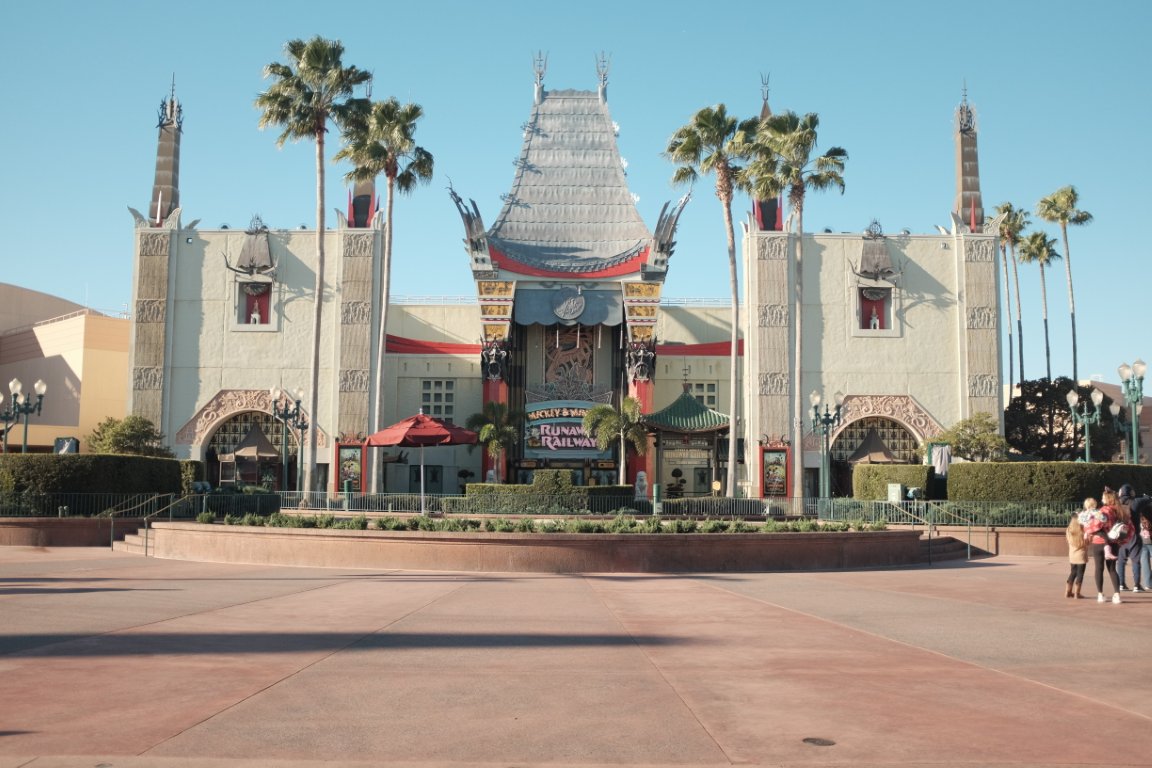
Note: Every photo in this article was shot on the Fujifilm X100T.
If you google "best camera for Disney World," you will find lists of heavy DSLRs, expensive mirrorless rigs, or GoPros. But after spending a week in the parks with my family, I realized those lists are wrong.
When you are walking 20,000 steps a day, dodging strollers, and managing FastPasses, you don't need "the best specs." You need the best experience.
For my recent trip, I left my professional gear at home and brought the Fujifilm X100T. It turns out, it is the perfect tool for the job. Here is why.
1. It's Small
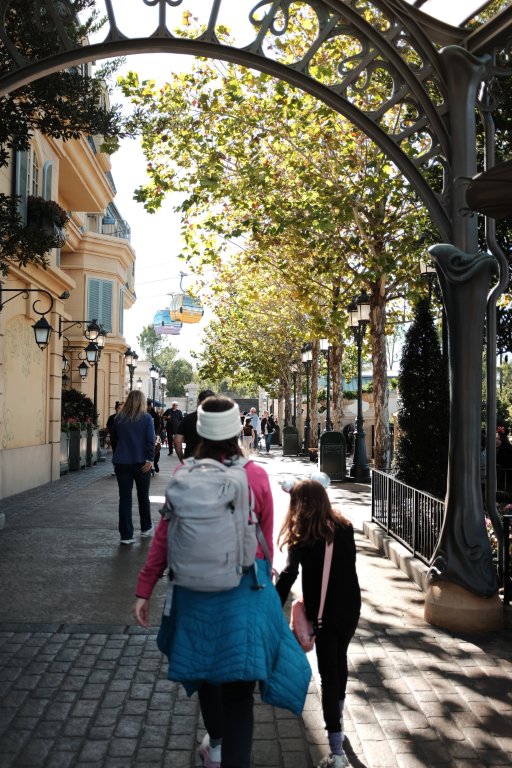
This is the most critical feature. It is small enough to slip in and out of a sling bag, a fanny pack, or even a jacket pocket.
At Disney, you are constantly getting on and off rides. If you have a big camera around your neck, it swings around and hits safety bars. You end up putting it in a locker or leaving it in the stroller (which feels unsafe). The X100T disappears when you don't need it, so you can actually enjoy the ride. You don't want your vacation to turn into a photoshoot. It's a vacation where you happen to take the best pictures of your life.
2. The "Invisible Photographer" Effect
Have you ever pulled out a giant lens at a restaurant? Everyone freezes. They fix their hair. They stop smiling. The moment is dead.
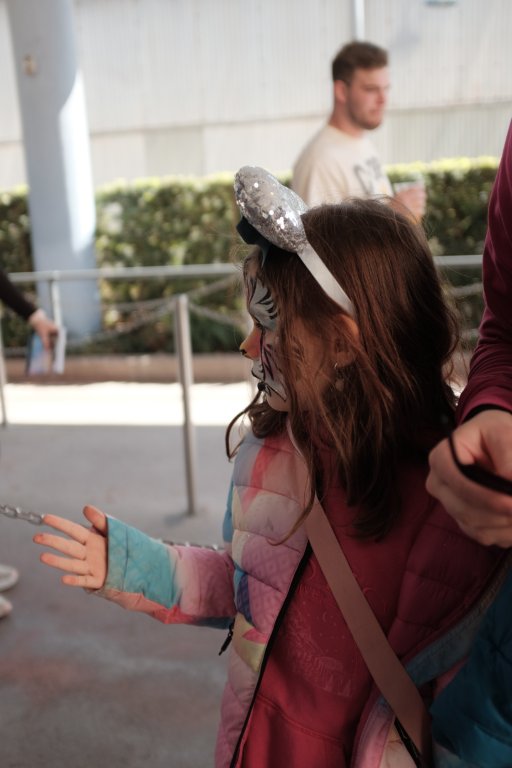
Because the X100T looks like an old-school film camera, people don't take it seriously. That is its superpower. My daughter didn't pose; she quickly started ignoring the camera. Strangers didn't glare at me. I was able to capture genuine, candid family moments because I didn't look like "paparazzi."
3. No "Gear Fear" ($900 vs $2,000)
The new Fujifilm X100VI costs nearly $2,000 (if you can find one). Do you really want to carry a $2,000 device onto Splash Mountain? Or leave it in a stroller while you ride Space Mountain?
The X100T sits in the sweet spot of $800–$900. It is premium enough to take incredible photos, but inexpensive enough that you aren't terrified to actually use it. If it gets a splash of water or a bump, it's not the end of the world.
4. The "Disney" Look (Straight out of Camera)
Disney World is designed with a specific color palette—nostalgic, saturated, and warm. Fujifilm cameras are famous for their "Film Simulations" which mimic this exact vibe.
I set my camera up with four custom modes before we left:
- Sunny Days: A vibrant, Kodachrome-style look for the castle and park walks.
- Indoors: A softer profile for dark rides and restaurants.
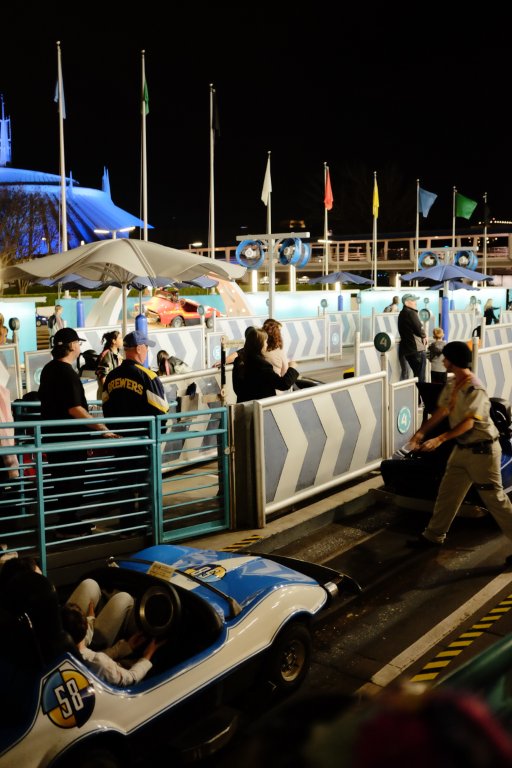
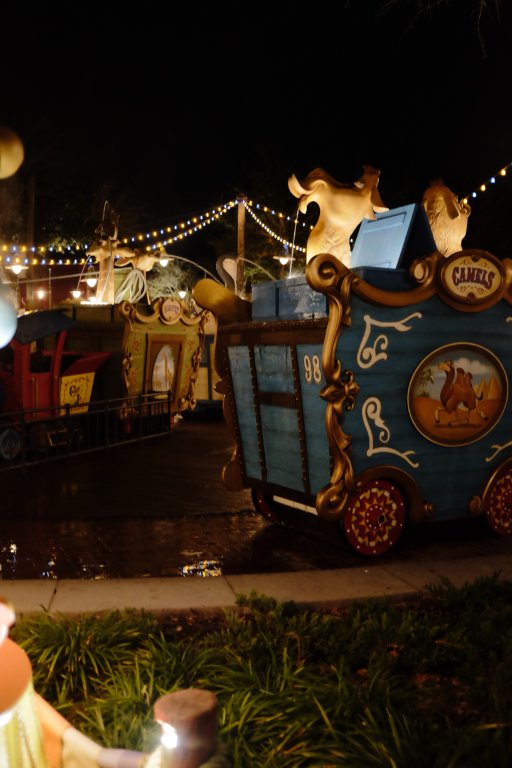
- Night: A cinematic profile to make lights glow for fireworks and neon lights.
- Night with people: An old school mode that cranks the colors so people stand out but you don't lose the dark background.
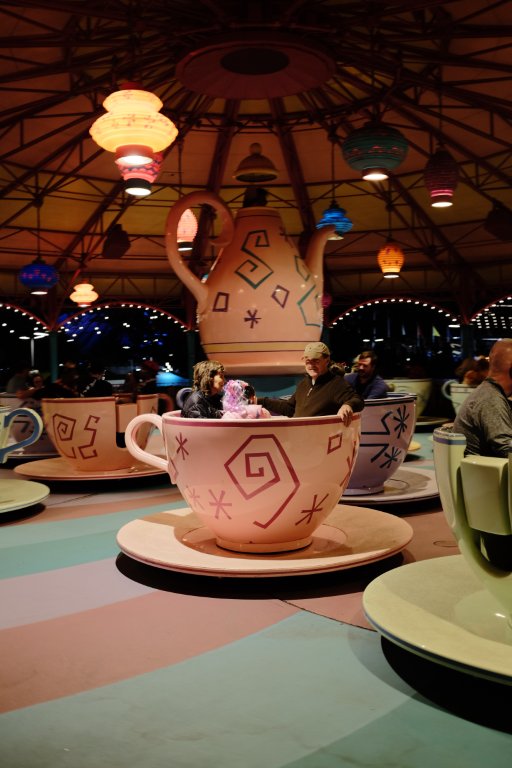
The result? I didn't edit a single photo. I transferred the pictures to my phone every night at the hotel. In less than a minute I had +100 pictures in my phone and my favorites sent to the group chat.
5. No Lenses to Fiddle With
The X100T has a fixed 23mm lens. You cannot zoom, and you cannot change lenses.
At first, this sounds limiting. At Disney, it is liberating. You never have to dig through your bag to swap a lens while your family waits for you. You just walk closer or walk further away. It simplifies the process so you can focus on your family, not your focal length.
Final Verdict
The best camera for Disney World is the one you actually carry with you. The X100T gave me the "Cinematic" quality of a professional camera with the portability of a phone.
It captures the nostalgia of childhood in a way that an iPhone's sharpening algorithm just can't replicate.
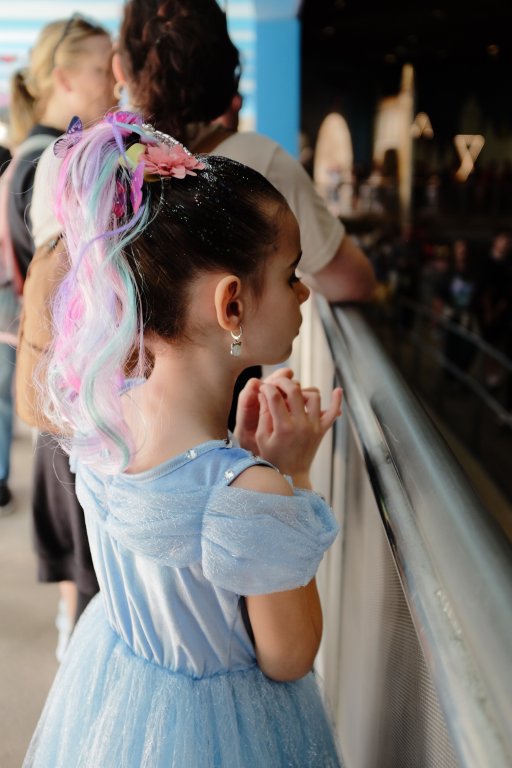
Want to Take Photos Like These?
Get the full guide on how to get cinematic stills. It walks you through exactly what to buy, how to set it up, and how to shoot the best pictures of your life.
Get the Guide — $49